
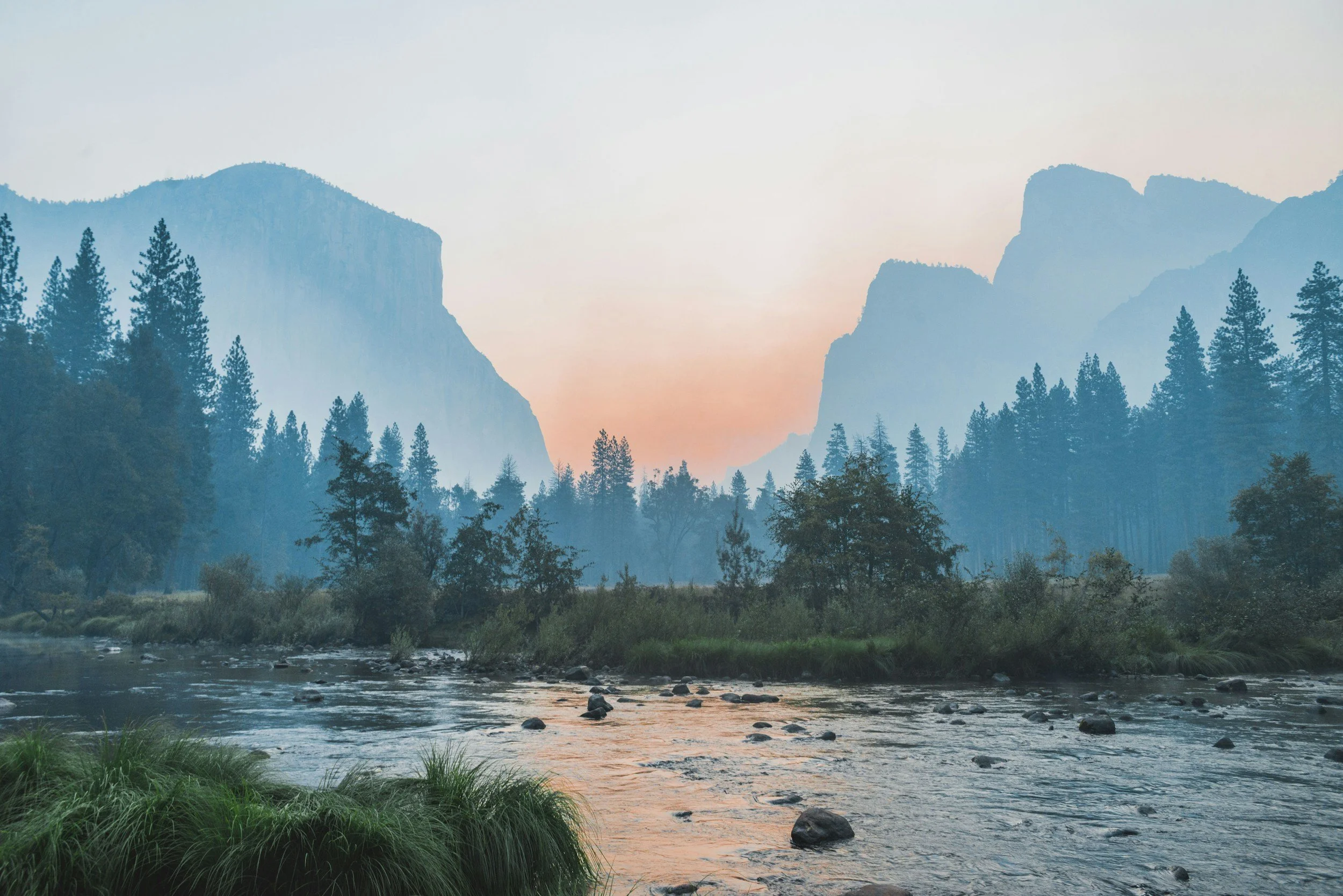
Fall in Love with Nature Challenge
Challenge Duration: February 15 - May 15, 2026
Status: Join anytime
Submissions Due: May 15, 2026
Step away from your routine and spend intentional time outdoors. Your mission is simple: be outside, be present, and notice what’s around you. There’s no right or wrong way—walk, sit, sketch, write, create, or help your community. Pay attention to what you see, hear, and feel, and reflect on how nature affects you. However you choose to do it, the mission is to find your favorite way to connect—with the environment and yourself.
*We can send you a certificate of completion for you to print out and can offer you a badge that you contributed in this challenge to share on LinkedIn
Why connect with nature?
We spend a lot of time indoors — in classrooms, in cars, on screens. But humans have always been part of nature. Our food, our water, our air, even the climate itself all depend on healthy ecosystems. When we lose touch with the natural world, it’s easier to forget how much we rely on it — and harder to care for it.
This challenge is about finding ways to spend intentional time in nature, notice your surroundings, and reflect on how your connection to the natural world shapes the way you think and act.
- Benefits — Why connecting with nature matters
- Benefits — Why connecting with nature matters
Health: Time outside reduces stress, boosts mood, and helps us stay active.
Awareness: When we notice plants, animals, and ecosystems around us, we better understand the impact humans have on them.
Inspiration: Many solutions to climate and environmental problems are inspired by observing how nature works.
Care: We protect what we feel connected to. Building a relationship with nature strengthens our motivation to act for the planet.
Your Nature Mission
-
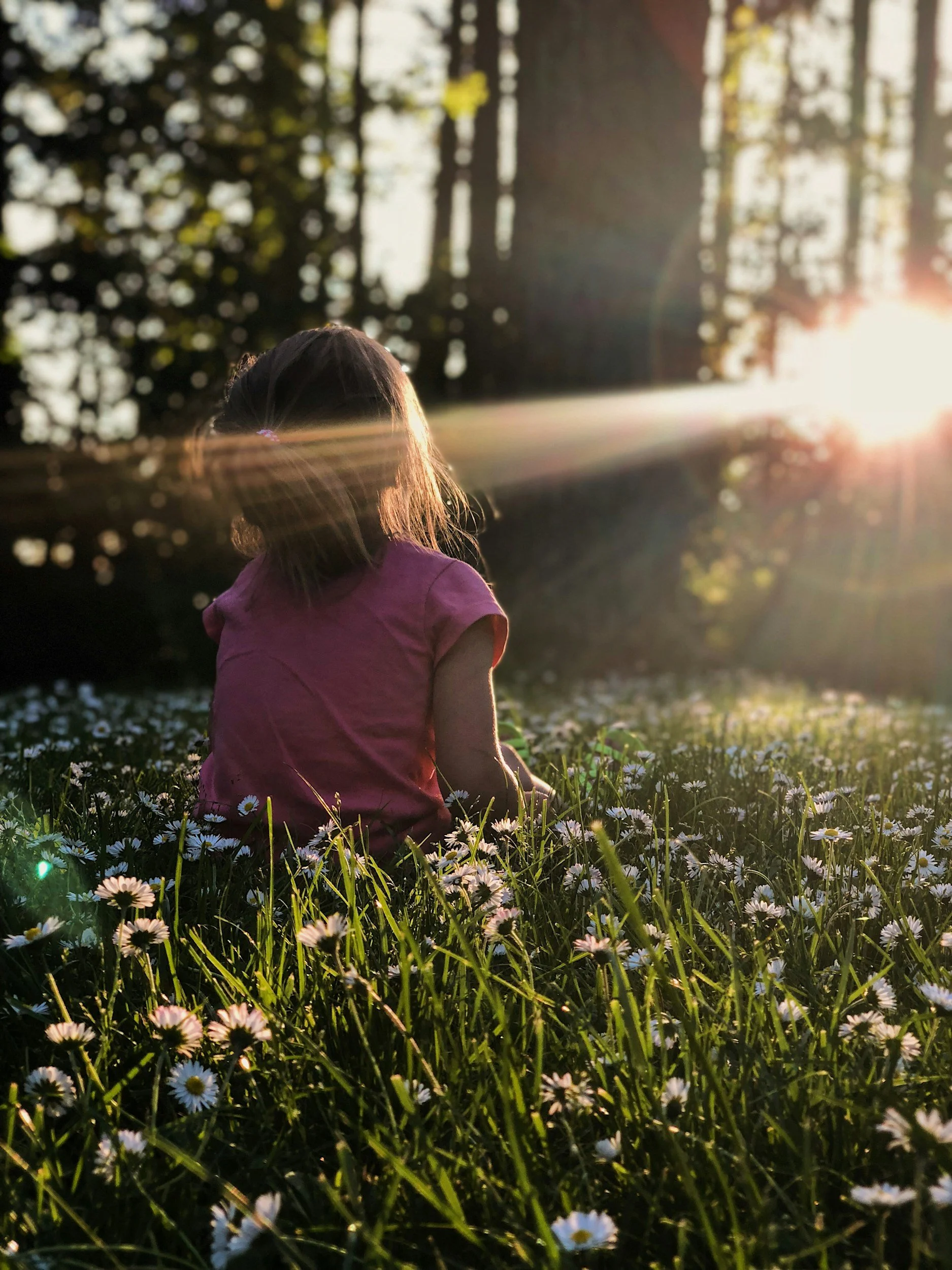
Step 1: Look for ways to Connect
Are you ready to unplug, step outside, and reconnect with the world around you? This challenge is all about getting out of your routine and into nature. Your mission: be outside, be present, and notice what’s happening around you.
Step 1 is to figure out how you want to try and connect with anything and look for opportunities that get you looking, listening, and paying attention. Sit under a tree and watch the clouds. Take a walk and notice sounds you’ve never heard before. Sketch, write, or snap photos of what catches your eye. The point is simple: connect.
-
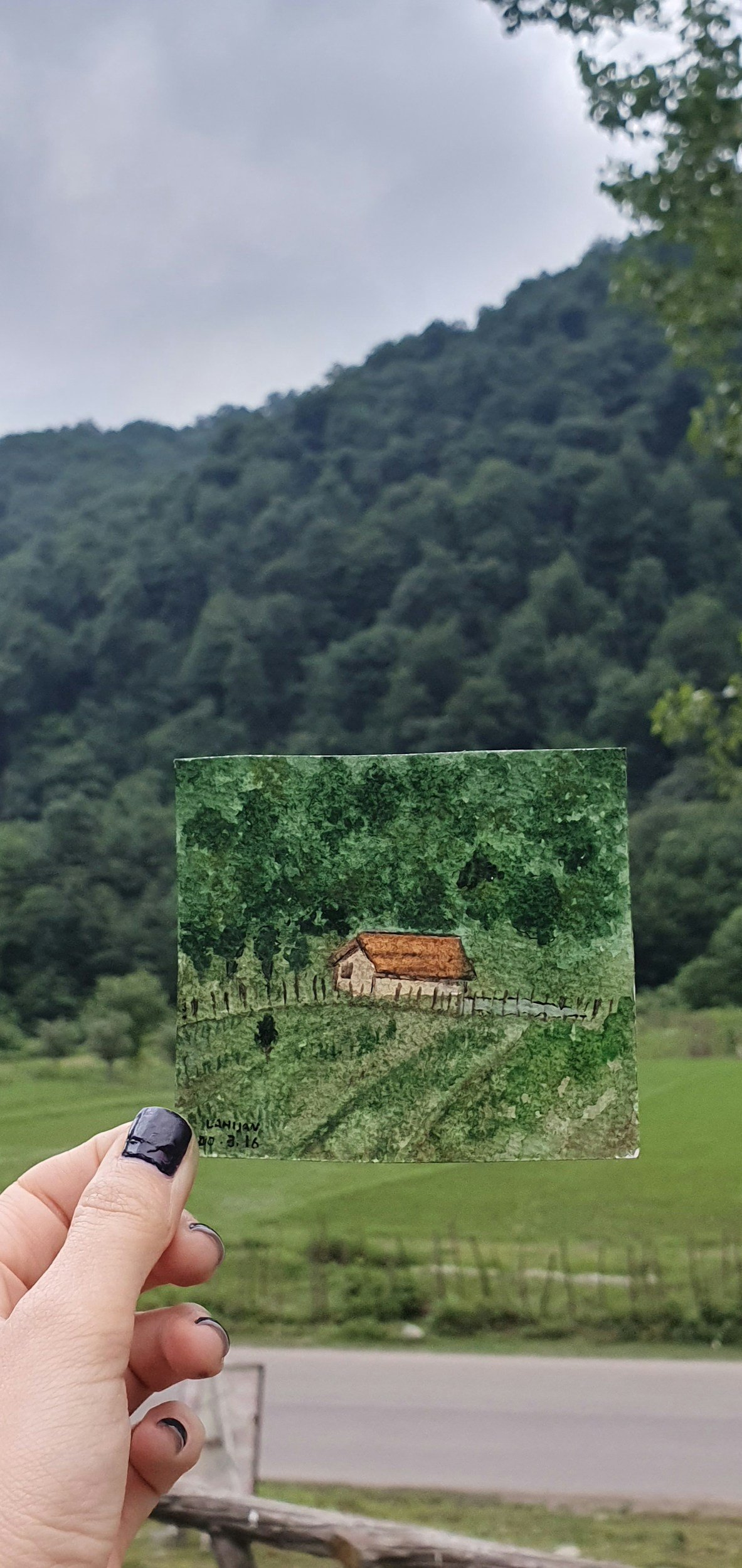
Step 2: Make a plan and act
Decide what you’ll do alone or as a class, set some small goals, and then get started.
You choose the how — we’ll give you ideas to get started.
Examples might include:
Personal Connection
- Keep a nature journal: sketch, write, or photograph what you notice outside each day.
- Pick a “sit spot” (a tree, a bench, a patch of grass) and visit it regularly — notice how it changes over time.
- Try a tech-free walk in your neighborhood, a park, or even your backyard.
Community Action
- Help out in a community garden or start one at school.
- Organize a clean-up of a local park, beach, or riverbank.
- Plant a tree or native flowers that support pollinators.
Creative Expression- Write a poem, song, or short story inspired by time outdoors.
- Create an art piece using natural materials (leaves, twigs, stones).
- Use storytelling to see how your community connects with nature.
-
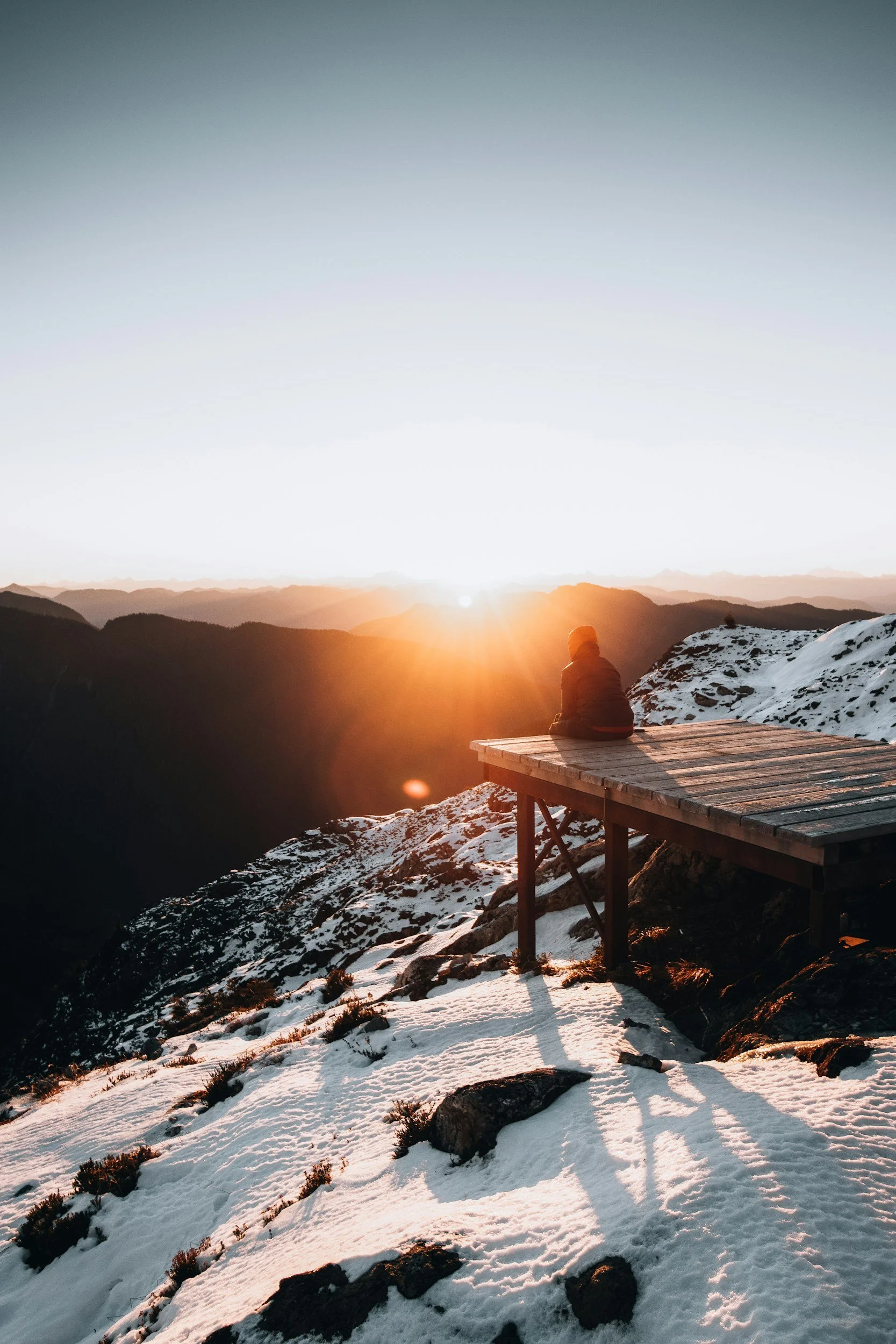
Step 3: Take Time for Reflection
As you take on the Nature Connection Challenge, pay attention not just to what you see outside, but also to what you notice in yourself and your community. Use these prompts as questions to guide your exploration:
Mood & Energy: How does being outdoors change the way I feel? Am I calmer, more focused, or more energized afterward?
Attention & Learning: Does time in nature affect how well I concentrate or remember things?
Creativity & Inspiration: Do new ideas or creative thoughts come to me when I’m outside compared to when I’m indoors?
Connection & Care: Do I feel more protective of places I’ve spent time in? How might that shape the way I treat the environment?
Community & Culture: How do people in my family, neighborhood, or culture connect with nature? What traditions or practices exist?
Perspective & Resilience: What lessons can I learn from observing cycles in nature — growth, change, or recovery?
-

Step 4: Track Your Journey
At the end of the challenge, reflect on:
How did spending time in nature affect your mood, energy, or stress?
What did you notice about your local environment that you hadn’t before?How might your community benefit if more people connected with nature?
There are many ways to share!
1. Journals or LogsStudents keep a short daily or weekly nature log (written, sketched, or photo-based) noting what they did and how they felt.
Could be as simple as: “Date / Time Outside / What I Noticed / How I Felt.”
2. Creative Evidence
Share a photo collage of favorite outdoor spots.
Create artwork (drawings, paintings, leaf rubbings) inspired by time outdoors.
Write a poem, short story, or reflection connected to the experience.
3. Class Projects
Make a bulletin board or mural of student observations, photos, or quotes.
Put together a collective nature journal where each student contributes one page.
Host a “Nature Share Day” where students present one thing they discovered.
4. Digital Submissions
Students record a 1-minute video or voice note sharing what they did and how it felt.
Use a shared Padlet, Jamboard, or Google Slide deck for everyone to post entries.
5. Measurable Actions
Track time outdoors as a class goal (e.g., “Our class spent 500 combined hours outside this month”).
Or track types of activities (listening walk, sit spot, clean-up, creative project, etc.).
Submit your project.
Once you complete the challenge you can:
Submit a video journal
Send us before and after photos
Send us documentation of your experience
Click the button below and fill out the form to complete the process.
Deeper Learning
-
Explore Your Relationship with Nature
Nature is more than just a place we visit — it’s something we’re part of. By looking closer, you can discover how nature supports our well-being, our communities, and even our economies. Here are some ways to dig deeper:
Notice the Benefits to Well-Being
Spend time outside and pay attention to how you feel.
Does being in nature help you feel calmer, happier, or more focused?
Research how time in green spaces affects mental health, stress levels, and physical activity.
Explore the idea of “nature as medicine” — how parks, forests, and water spaces support healthy lives.
Discover Nature in Your Community
Nature shapes our neighborhoods and cities.
Identify parks, gardens, trees, rivers, or wild spaces near you.
Investigate how green spaces bring communities together.
Explore how access to nature differs between neighborhoods — who has it, and who doesn’t?
Understand Nature’s Hidden Services
Nature works for us every day — often in ways we don’t notice.
How do trees clean the air or cool cities?
How do wetlands reduce flooding?
How do pollinators help grow the food we eat?
Research how ecosystems quietly support human life and why protecting them matters.
Explore Nature & the Economy
Nature isn’t just beautiful — it’s valuable.
Investigate how forests, oceans, and farms support jobs and livelihoods.
Learn how ecotourism, agriculture, and fisheries depend on healthy ecosystems.
Consider what happens economically when natural spaces are damaged or lost.
Extra Challenge
Combine your reflections with action. Could you design a project, campaign, or creative piece that shows why nature matters for well-being, community, and the future?
How can you help others fall in love with nature too?
-
Regenerative Economics Textbook
Videos
-
Nature Journaling Advise and Curriculum
Nature Connection Ideas for Younger Years
Check out the Encounter Nature App